Checklist
How Long Does It Take to Plan a Wedding? A Realistic Timeline
By The Betwyne team · 2 min read · August 3, 2026
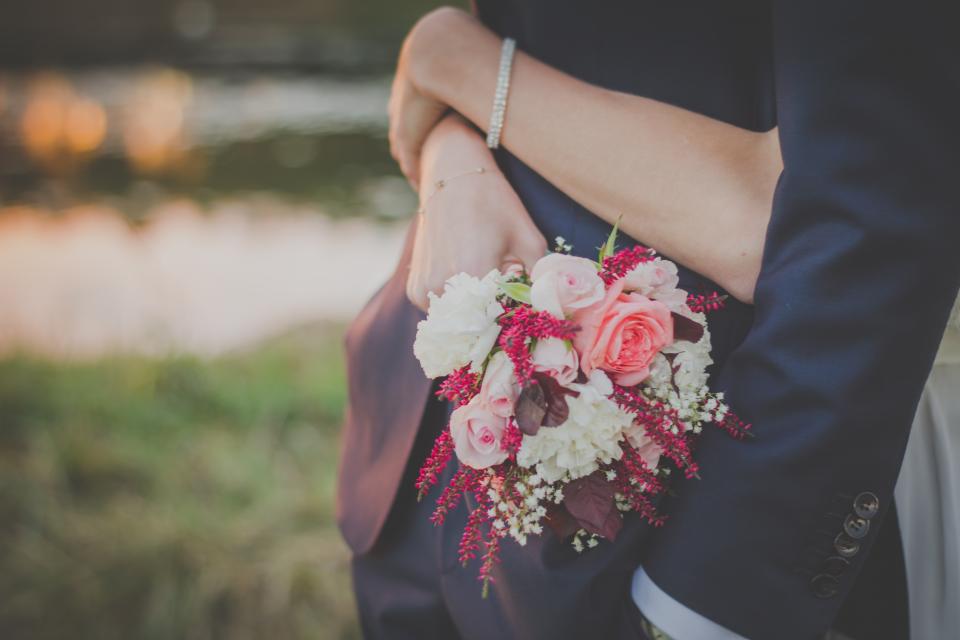
The average couple plans for about 15 months — but what actually needs that much lead time? Here's what to book first, and how to compress the timeline if you're short on it.
Most couples plan for about 15 months — the typical engagement runs 12 to 18 months (engagement timeline data). But that number hides the real question: what actually needs all that lead time, and what can wait? Get that right and you can plan a great wedding in far less time than the intimidating "18-month checklist" implies.
The one rule that orders everything: date-gated vs. quantity-based
Wedding tasks fall into two buckets, and confusing them is why people feel permanently behind.
- Date-gated: vendors who can only do one wedding per date — the venue, photographer, planner, band. If someone good is booked for your day, that's it; no amount of charm gets a great photographer to be in two places at once. These set your real deadline, so book them first.
- Quantity-based: everything priced by headcount or detail — catering quantities, invitations, favors, seating, flowers. These flex with time and can wait for the back half.
Spend your early months locking date-gated vendors; the napkin color can — and should — wait.
When the big things actually book up
- Venue — 12–18 months out (popular spaces and peak-season Saturdays go 18–24 months, sometimes 30 ahead) (venue booking data). The venue usually fixes your date too, so it's task #1 — and, conveniently, the thing every relative will ask about first.
- Photographer — 9–12 months out (10–14 months in major metros for peak Saturdays) (photographer booking data).
- Planner (if you're using one) — as early as you can; they save you the most when they're involved from the start, not brought in to defuse things in month eleven.
Everything else — attire fittings, invitations (~3–4 months out), final headcount, seating, day-of details — clusters into the last few months and simply doesn't need an 18-month runway.
Planning on a short timeline?
A shorter engagement isn't a problem — it just changes the strategy. With less lead time, flexibility becomes your best friend: an off-peak date (or a Friday/Sunday) dramatically widens which good venues and photographers are still open, and usually costs less. That November Tuesday is available for a reason — but it's available, and it's cheaper. Book the date-gated vendors immediately, stay flexible on the day, and let the quantity-based tasks compress — they were always going to happen in the final stretch anyway.
The takeaway
You don't need 18 months. You need to book the handful of one-per-date vendors early and let everything else fall into the last few months. Nail the order and the timeline takes care of itself — most of those scary 18-month checklists are really just 18 months of anxiety, sold by the month. And if you'd rather not sequence it by hand, Sage builds your plan from your date and priorities — date-gated tasks first, the rest where they belong.
More guides

Comparisons
The Knot, Zola, or Something Calmer? An Honest Look at Wedding Planning Apps
A fair comparison of the big wedding platforms — what The Knot and Zola do brilliantly, where their business model shows, and who's better off with a quieter, paid alternative.
Guests
How to Build (and Trim) Your Wedding Guest List Without the Guilt
The guest list drives your budget, your venue, and your stress level. Here's how to build it, how many will actually come, and a calmer way to make the cuts.
Budget
Wedding Budget by Guest Count: What 20, 50, and 150 Guests Really Cost
Guest count is the single biggest lever on a wedding budget. Here's the real per-guest math — and how the total shifts from an intimate 20 to a traditional 150.